
How Eyelash Adhesive Cures: Traditional vs UV Methods (And What It Means for Your Lash Set)
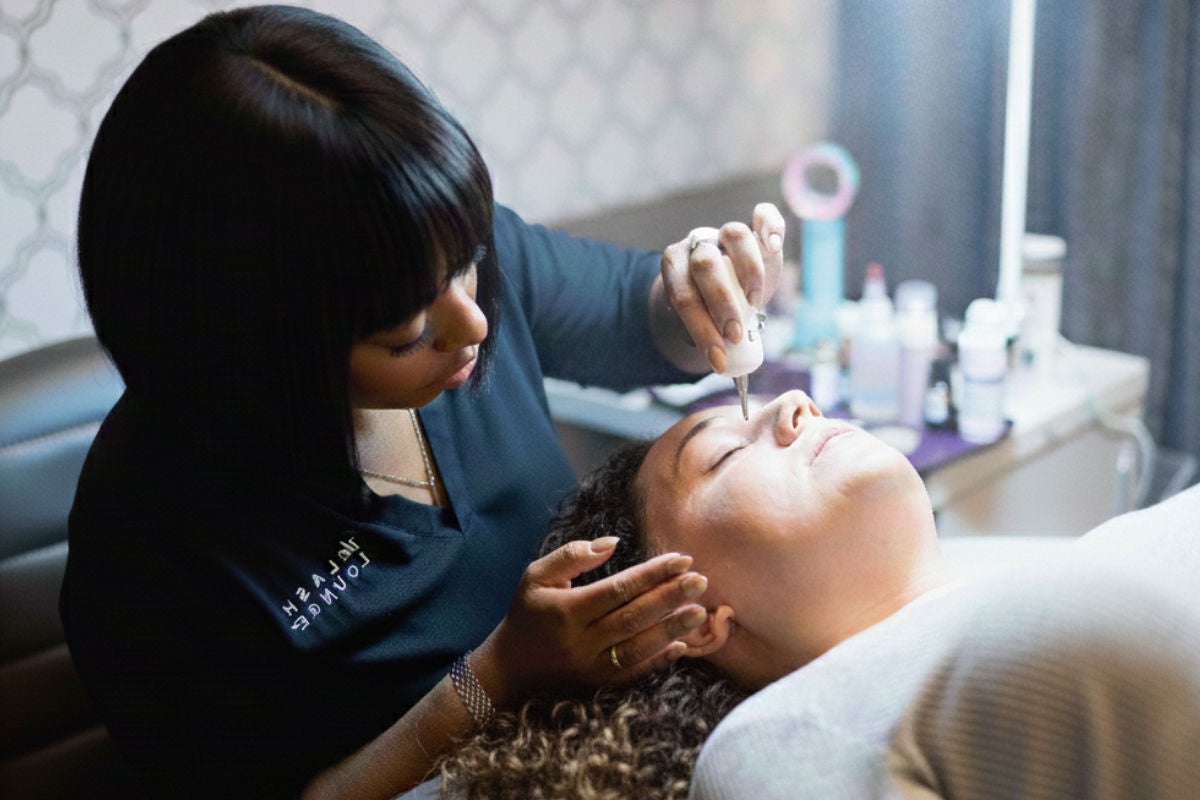
Get ready to level up your lash knowledge as we give you the 4-1-1 on eyelash adhesive curing! We’re breaking down the major differences between using traditional lash adhesive and the high-tech process of UV lash curing to see how they impact your comfort and retention. Discover how these different methods work for lash extensions and what they mean for how your stylist perfects your lash line!
What Does “Curing” Mean in Eyelash Extensions?
In the world of lashes, eyelash adhesivecuring is the magical process where your lash adhesive transforms from a liquid to a solid as it bonds that gorgeous extension to your natural lash!
This step instantly locks the look in place, eliminates sticky fumes for maximum comfort and ensures your lashes stay flawless between refills.
How Traditional Lash Adhesive Cures
Traditional lash adhesive is a bit like a sponge—it “breathes” in moisture from the air to harden and create a secure bond! Because it relies on the environment to set, factors like a rainy day or a dry room can change how quickly your lashes cure, which is why a lash artist might use a small mister to get the job done.
Believe it or not, this process continues for about 24 to 48 hours after your appointment, which is why lash stylists strongly encourage guests to steer clear from water, steam and other types of moisture so that the bond of the extension and your natural lash reaches its full, solid strength!
What Is UV Lash Curing?
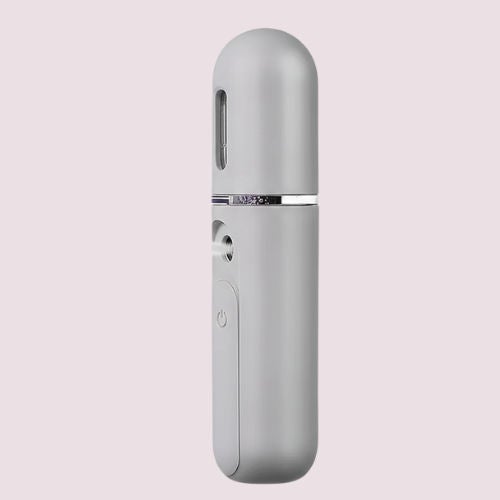
UV lash curing is an innovative method in the lash industry that uses a specialized light system to harden adhesive instantly.
Instead of waiting for moisture in the air to set the bond, your lash artist uses a precise, UV light for just a few seconds to cure the adhesive on demand. This is a more effective form of curing since it lessens potential fumes that can arise during the traditional method. And because the bond sets immediately, your lashes are completely dry after the quick process and exposure to fumes diminishes greatly.
Related Blog Post: Best Place for Eyelash Extensions? See How To Find Your Perfect Lash Match
Key Differences Between Traditional and UV Curing Methods
- Traditional Curing: Relies on room humidity so the adhesive harden s over 24–48 hours, meaning you must avoid moisture post-appointment. Results can vary depending on the daily weather or salon humidity.
- UV Curing: Uses a specialized light to harden the bond instantly, allowing you to get your lashes wet immediately. Because it sets in seconds, fume exposure is significantly reduced compared to traditional curing and often provides a more consistent and comfortable experience regardless of the guest’s environment.
How Curing Methods Fit Into the Lash Extension Process
In the lash extension process, curing is the final stage. This is when the adhesive transforms from a liquid to a solid and is a critical factor for lash longevity and ensures durability for keeping a beautiful lash line.
So, why are different curing methods used? Different methods can be used due to the guest’s specific needs and environmental factors like if where they live is humid.
Back to the guests needs… a different curing method could be used for a guest if they are allergy prone or if they need an immediate curing method which doesn’t require the waiting period to get their lashes wet.
Chat with your stylist during your next salon visit about the curing options available!
FAQ’s:
What does curing mean in lash extensions?
Eyelash adhesive curing is the process of the glue hardening from a liquid to a solid to bond extensions to natural lashes. It ensures a long-lasting hold, locks the look in place and eliminates fumes for maximum comfort.
What is lash adhesive?
Lash adhesive is a specialized bonding agent that cures from a liquid to a solid to securely attach eyelash extensions to natural lashes.
How does lash adhesive cure?
Lash adhesive cures by drawing moisture from the air to trigger a chemical reaction that turns the glue from a liquid into a solid. This process instantly creates a strong, permanent bond between the extension and your natural lash.
What is the difference between traditional and UV lash curing?
Traditional lash curing relies on humidity to harden over 24–48 hours, making it sensitive to environmental changes and requiring a moisture-free waiting period. UV lash curing uses a specialized light to bond the adhesive instantly, allowing for immediate water exposure while providing a more consistent, low-fume experience regardless of environment.
Why does eyelash adhesive curing matter?
Curing is essential because it transforms the adhesive into a secure, permanent bond that locks extensions in place for long-term wear. This process also instantly eliminates sticky fumes, ensuring the guest’s comfort and preventing eye irritation after the service.
Are there different types of lash adhesive curing methods?
Yes, there are two primary methods: traditional curing, which uses humidity to harden the glue over 24–48 hours, and UV curing, which uses a specialized light to bond the lash adhesive instantly.