
Are Eyelash Mites Harmful? What You Need to Know to Protect Your Lashes
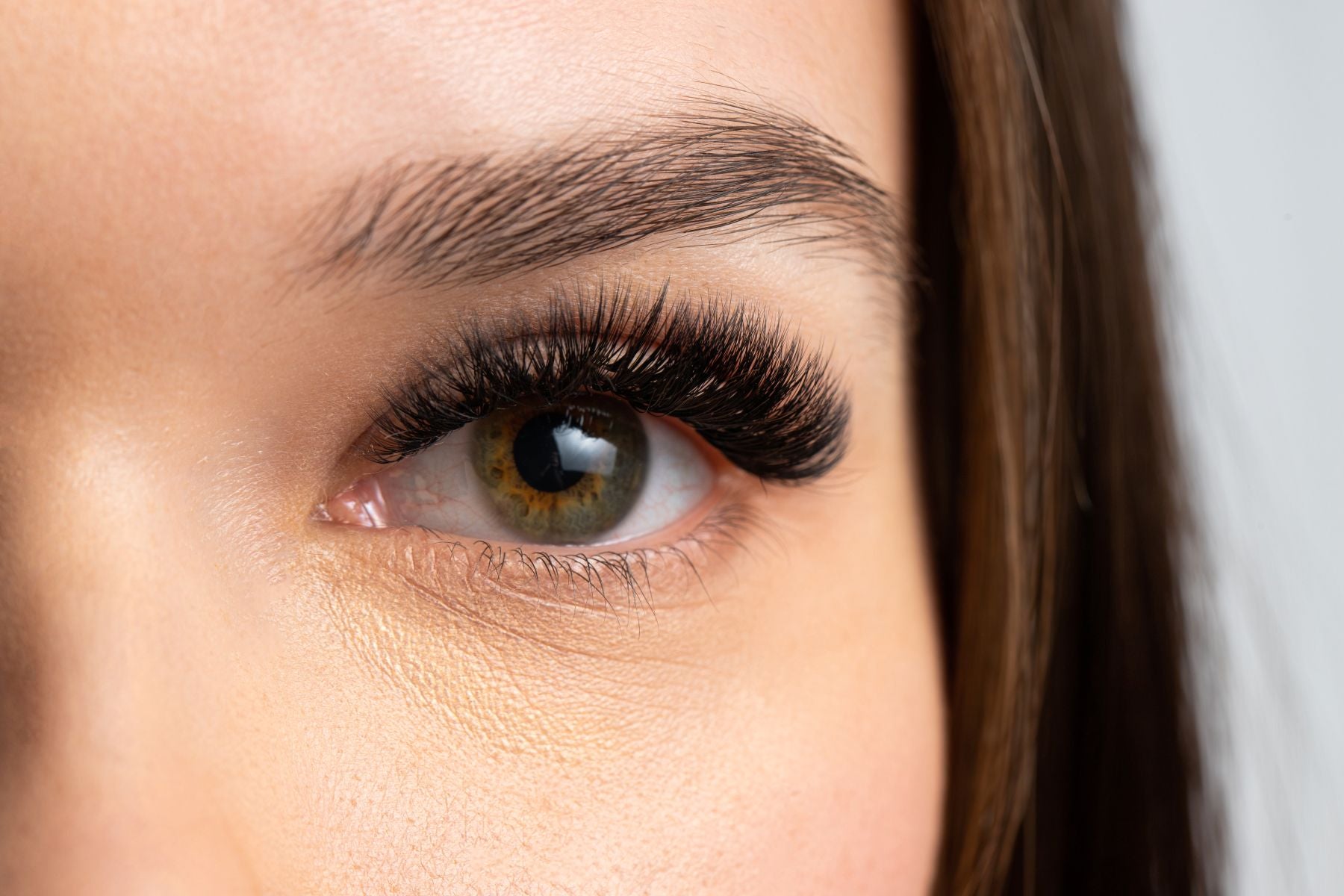
You know that feeling when you find out something a little… crawly?
Go ahead and prepare yourself, cause this blog topic is just that as we’re talking eyelash mites.
We know—the name alone is enough to make you want to scrub your face. But before you panic, here’s the tea. We ALL have eyelash mites. In fact, they’re likely hanging out on your lashes right this second.
Here at The Lash Lounge, we’re all about transparency and lash health. In this blog, join us as we demystify these microscopic guests, clear up myths and talk about how to keep your lashes flutter-worthy and healthy.
What Are Eyelash Mites
So, what are eyelash mites? Scientifically known as Demodex, lash mites are microscopic organisms measuring about 1/3 of a millimeter. You can’t see them with the naked eye, and honestly, that’s probably for the best!
These tiny intruders live in hair follicles and feed on dead skin cells and natural oils (sebum). It might sound a little strange, but they’re actually a natural part of your skin’s ecosystem. Think of them as a microscopic cleaning crew; they help clear away debris that would simply linger on your skin.
But that’s not all! There are two types of eyelash mites: Demodex folliculorum, which loves lash follicles, and Demodex brevis, which prefers oil glands. In a balanced environment, these “tiny helpers” are completely harmless and mind their own business.
Are Eyelash Mites Harmful?
This is the big question: are eyelash mites harmful?
The short answer: No, not usually! In a normal, healthy scenario, you won’t even know they’re there. They only become a “problem” when they overgrow. Think of it like the bacteria in your gut—you need the good stuff, but you don’t want too much.
Eyelash mites can become harmful however, when hygiene is neglected. When this happens, mites can multiply rapidly and lead to infestation. If this happens, here’s what you could notice:
- Itching or burning along the lash line
- Red, swollen eyelids
- Crusty, dandruff-like debris at the base of your lashes
- General irritation or inflammation
The mites themselves aren’t the villains; it’s the lack of cleaning that lets them throw a party they weren’t invited to.
Can You Get Mites From Lash Extensions? (The Truth!)
Let’s bust this myth once and for all: Can you get mites from eyelash extensions? Absolutely not! Eyelash extensions do not “carry” mites, and getting extensions doesn’t magically summon them. The misconception usually comes from a lack of lash aftercare.
A common myth is that you shouldn’t wash your extensions because the bond/lash adhesive will break and your lashes will fall out.

There’s no truth to that claim! When you stop washing your eyes to “save” your extensions, you’re creating a literal buffet of old makeup, oils and dead skin. (EW!!) That’s what causes mites to overgrow.
When it comes to lash extensions, when a professional lash adhesive is used, it’s designed to be cleaned daily. In fact, cleaning your extensions actually helps them last longer by keeping your natural follicles healthy!
Related Blog Post: Your Guide To Eyelash Extensions
What Causes Eyelash Mites to Overgrow?
If the extensions aren’t the problem, what is? Here’s the scoop: Mites thrive when they have plenty to eat. Here are the common culprits:
- Skipping the Lash Cleanser: Buildup of oils and skin is a mite’s favorite thing to feed on.
- Try The Lash Lounge’s Lash Detox Faming Cleanser!
- Sleeping in Makeup: Leaving makeup on overnight is like an open invitation for overgrowth.
- Oily Skin: Naturally oily skin types provide more food for mites.
- Sharing Makeup: Never share mascara or brushes! This is the easiest way to swap mites with a friend.
- Age: Our skin changes as we get older. By age 70, almost everyone has a larger population of Demodex.
How to Prevent Eyelash Mites: Simple Habits
Keeping your lash ecosystem in check is not a big feat. It’s super easy and all about a simple, consistent routine:
- Cleanse Daily: Use a professional, oil-free lash cleanser every single day (especially if you wear extensions!).
- Remove All Makeup: Never go to bed with “yesterday’s eyes” still on. A great, gentle eye makeup remover goes a long way in getting the job done right.
- Go Oil-Free: Keep oil-based removers and heavy creams away from your lash line.
- Brush Them Out: Use a clean spoolie daily to whisk away any physical debris.
- Hot Wash Your Linens: Regularly wash your pillowcases in hot water to keep your sleep environment fresh.
Signs You Might Need to See a Doctor
If you’ve been diligent with cleaning, but things still feel “off,” it could be time for a professional opinion. If you’re noticing the following things, it’s time to call your doctor.
- Persistent, “gritty” feeling in the eyes.
- Cylindrical crusts (called collarettes) at the base of the lash—this is a telltale sign.
- Lash loss or lashes growing in unusual directions.
A doctor can easily diagnose this issue by looking at a lash under a microscope. If it’s determined that lash mites are the culprit, your doctor may prescribe specialized wipes or treatments to get things back to normal.
Stay Confident With Clean, Healthy Lashes
The takeaway from this not so fun topic? Don’t let the thought of tiny mites ruin your lash love!
Now you know that lash mites are a natural part of being human and as long as you keep up with hygiene and routine lash aftercare, those mites will stay invisible and harmless!
Ready for a fresh, healthy set of lashes?
FAQs
Q: Are eyelash mites harmful?
A: Not in normal numbers! These microscopic Demodex mites only become a problem if they overgrow due to poor hygiene, which can cause redness, itching and inflammation (blepharitis).
Q: Does everyone have eyelash mites?
A: Yes! Virtually everyone has them. They are a normal part of your skin’s ecosystem, living in hair follicles and feeding on dead skin and oils.
Q: Can you get mites from eyelash extensions?
A: No. Extensions don’t “carry” mites. Overgrowth is caused by neglecting to clean your lashes, which allows oils and debris to build up—not by the extensions themselves.
Q: What are the symptoms of overgrowth?
A: Look for persistent itching along the lash line, swollen lids, “crusty” debris at the base of your lashes or a gritty, burning sensation in your eyes.
Q: How do you prevent eyelash mites?
A: Clean your lashes daily with an oil-free cleanser, remove all makeup before bed, avoid sharing eye cosmetics and wash your pillowcases regularly in hot water.
Q: Do lash extensions make mites worse?
A: Only if you stop washing them! Extensions require regular cleaning just like natural lashes. Skipping your lash bath creates the perfect environment for mites to multiply.
Q: How do you get rid of eyelash mites?
A: Use a gentle, oil-free lash cleanser daily and warm compresses to loosen debris. For persistent issues, an eye doctor may recommend tea tree oil-based treatments or prescriptions.
Q: Can eyelash mites cause my lashes to fall out?
A: In severe, untreated cases, yes. Excessive mites can congest and weaken the hair follicle, leading to premature lash loss or abnormal growth.
Q: Are eyelash mites contagious?
A: They can spread through close contact or sharing eye makeup (like mascara). To stay safe, never share tools or cosmetics and replace your eye makeup every 3 months.
Q: What causes them to multiply?
A: Their primary “buffet” is a buildup of oil, dead skin, and old makeup. Factors like oily skin, rosacea or a weakened immune system can also contribute to overgrowth.